
Vineyards, orchards and ranches
Delano Agricultural Real Estate
Water supply, wells, plantings and zoning sorted out on farm and ranch land before the contingency clock runs down.
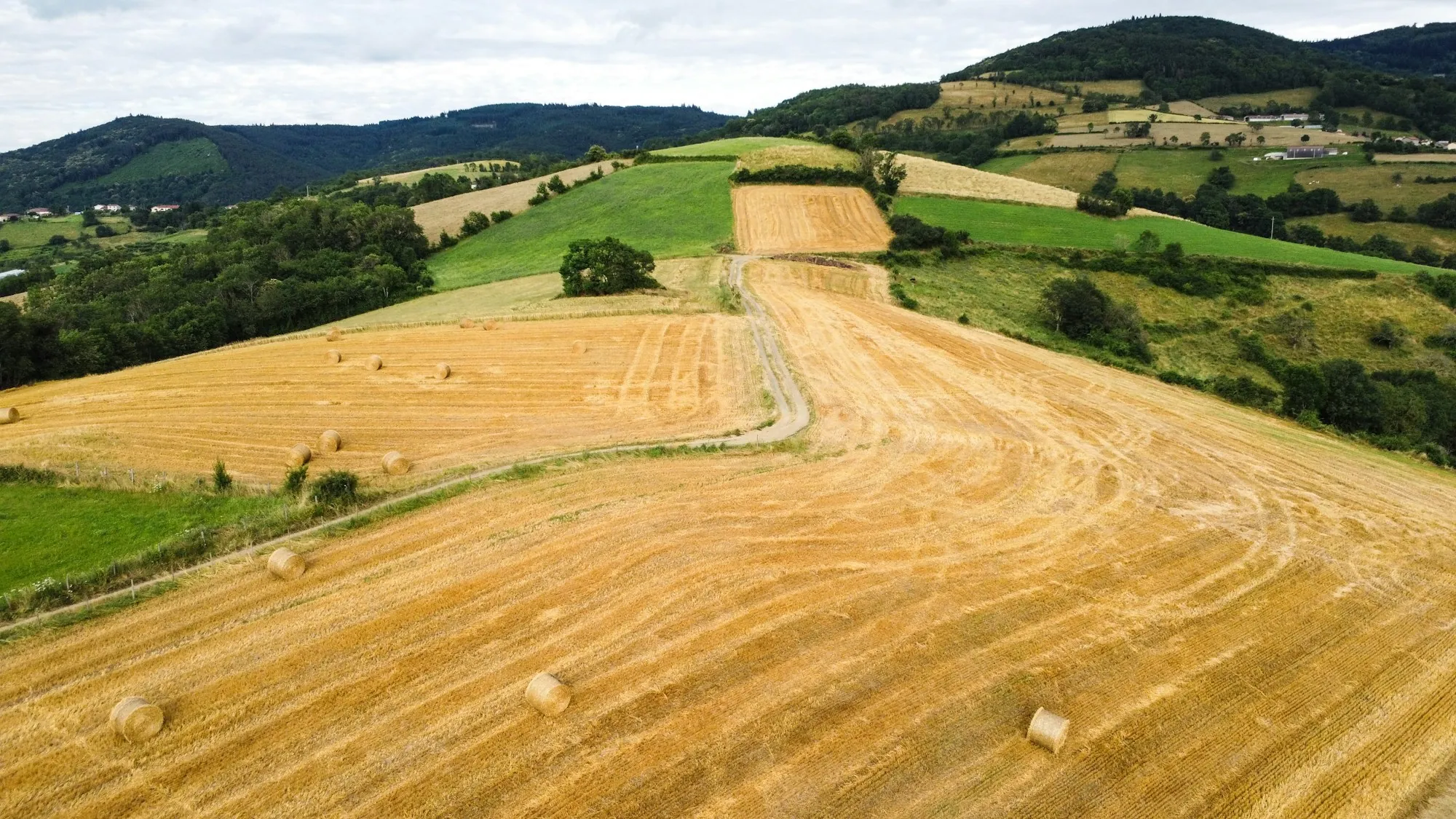
What Makes Farmland Harder to Price Than a House?
Almost everything that matters is underground or on paper. Around Delano, vineyards and orchards stretch out from the edge of town, and a well-kept block can look identical to a struggling one from the road. The difference is in the details. Where does the water come from, and how reliable is it? What do the wells produce, and what condition are the pumps in? Does an irrigation district serve the parcel, and how do current groundwater rules affect future pumping? Is the land under a Williamson Act contract, and what does that mean for its use? How old are the vines or trees, and how much productive life remains? Each answer moves the price, and each one needs to be known during the contingency period, not discovered after closing. For sellers, we gather well logs, district records, crop history and any leases before listing, so buyers can move with confidence. For buyers, the inspection list is written for the ground and its water, with well and pump specialists called in and agricultural lenders brought in early. The result is a farm deal that stays calm because the hard questions were asked first.
What Does Farm and Ranch Due Diligence Involve?
A farm parcel raises issues a subdivision home never will. Here is how we work through them.
Water supply review
District service, well records and the groundwater outlook examined before price is settled.
Well and pump testing
Production and equipment checks arranged during the inspection window.
Vines and trees
How old the plantings are, what varieties they are and how healthy they look all factor into price.
Zoning and parcel rules
County zoning, splits and allowed uses confirmed against your plans.
Contracts and easements
Williamson Act status, recorded easements and any limits on use identified early.
Access and boundaries
Legal access, fence lines and survey questions resolved before closing.
Ag-to-ag comparables
Pricing drawn from sales of similar farm parcels, not from town homes.
Lender coordination
Working with agricultural lenders and their appraisal requirements from the start.
How Does a Farm or Ranch Sale Come Together?
Gather the land's records
We discuss acreage, plantings, water and your goals, then collect well logs, district statements, leases and contracts that drive value.
Price against true peers
Recent sales of comparable ag parcels set the range. Water reliability and planting age are factored in openly.
Diligence through recording
Inspections center on soil, water and equipment, findings are negotiated and every deadline is tracked to closing.
What Do Growers Get Here?
Water on the first call
Every farm conversation opens with water, because the rest of the deal depends on it.
A calm diligence plan
Each inspection and record request has a date, so the contingency period never runs out on you.
Farm and town together
Selling acreage and buying a home in town? Both sides can run through one agent.
- Water examined
- Wells tested
- Plantings reviewed
- Ag comps used
Thinking About Selling or Buying Farm Ground?
Describe the acreage, the water and your next move. We will start on price and due diligence during that first conversation.